Additional Resources as we go into Break
Headline: How to Recognize and Navigate Trauma Triggers During the Holidays
Intro: The holidays are meant to bring connection and joy, but for students and families who have experienced trauma, this season can be overwhelming. Understanding common triggers and practical coping strategies helps our community stay compassionate and supportive.
Body:
- Why the holidays can be harder
- Emotional amplification, sensory overload, and social expectations can intensify trauma-related stress. Surveys show many people report higher stress, loneliness, and anxiety during the holiday season.
- Common holiday triggers
- Places tied to memories (childhood home), certain people or family dynamics, sensory cues (music, smells, decorations), social pressure, and alcohol at gatherings.
- Signs to watch for
- Physical: sleep problems, headaches, panic attacks, fatigue.
- Emotional: mood swings, numbness, intrusive memories, intense sadness.
- Behavioral: avoidance of gatherings, withdrawal, increased substance use, irritability.
- Tips for supporting children and teens
- Keep routines where possible, offer choices, and allow opt-outs from triggering events.
- Encourage healthy coping: mindfulness, journaling, creative expression, and scheduled breaks.
- Involve young people in planning so they feel control and safety.
- Coping strategies for young adults and families
- Set clear boundaries and limits before events.
- Schedule breaks and create exit plans for overwhelming situations.
- Build a support network and practice self-care.
- Try grounding techniques such as deep breathing or the 5‑4‑3‑2‑1 sensory exercise.
- When to seek professional help
- Seek support if symptoms persist beyond the holidays or disrupt daily life (work, school, sleep, relationships), or if there are increased substance use or thoughts of self-harm. Trauma-focused therapy and community crisis resources can help.
Footer / Credits: Sources include the American Psychiatric Association, the American Psychological Association, peer-reviewed trauma research, and best practices in trauma-informed care. For more information about trauma-informed treatment approaches, visit https://www.newporthealthcare.com/resources/industry-articles/holiday-trauma/?utm_source=eloqua&utm_medium=email&utm_campaign=nh_holiday-trauma_dtc_both_nov-2025
Unwrapping Wellness: Managing Holidays and Mental Health – Article
Social Services
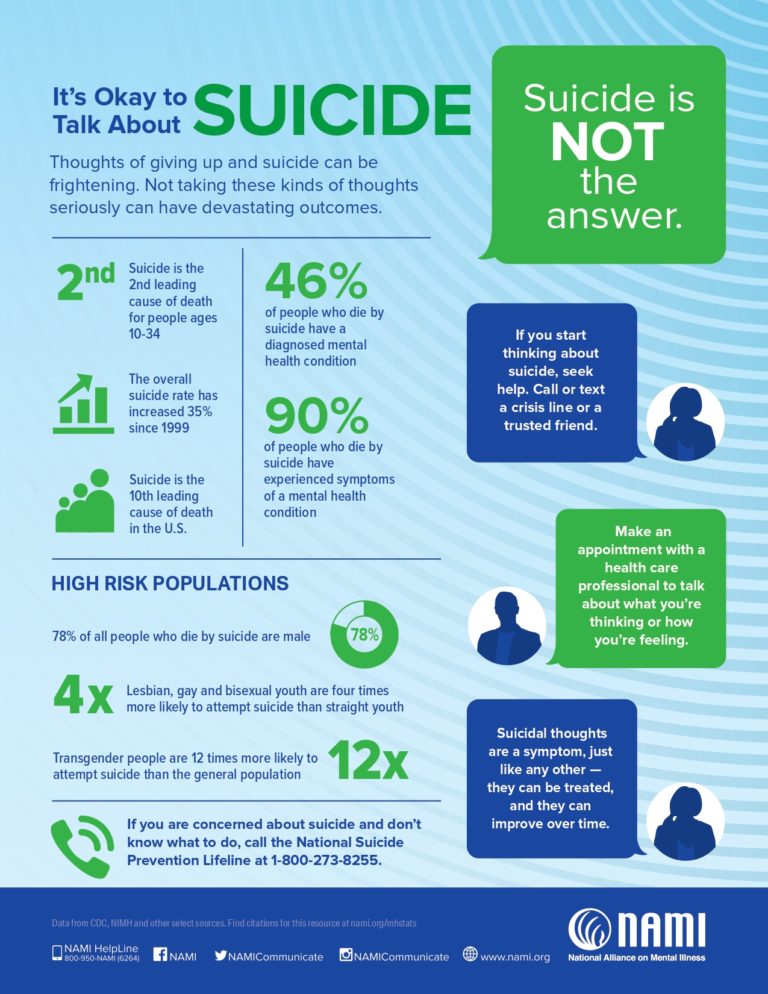
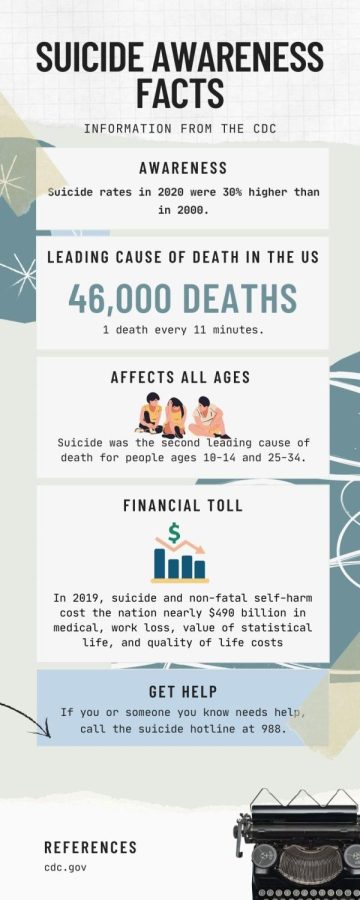
Reach Out. Speak Up. Save Lives.
Know the Signs:
- Feeling hopeless or trapped
- Withdrawing from friends and family
- Extreme mood swings
- Talking about wanting to die
How You Can Help:
- Listen without judgment
- Encourage professional support
- Check in regularly
- Share resources
Resources:
National Suicide Prevention Lifeline: 988
Crisis Text Line: Text HOME to 741741
Local Resources for Students & Families
100-1500 dollars for immediate housing needs or families needing short term financial crisis apply
Minnesota Family Investment Program (MFIP)
Offers cash,food,childcare assistance, and employment services
Housing assistance, emergency assistance, emotional and behavioral help
Wilder – Center for Social Healing
Address: 935 Lafond Ave, St. Paul, MN 55104
- Phone: 651-280-2310
Neighborhood House/Wellstone Center
Address: 179 Robie St E, Saint Paul, MN 55107
- Phone: 651-789-2500
- Provides One to Two boxes of FREE food
If you are in need of SNAP ASSISTANCE Program Information
- Phone: 651-266-4444
- Contact Paw Khee @ 651-789-2520 for Karen interpretation.
Address: 1107 7th St, Saint Paul, MN 55102
- Phone: 651-291-2472, call to make an appointment bring Photo ID
- 2 FREE bags of clothes once a month
A Center that provides essential support for marginalized young people.
MNsure can help you find, choose, and enroll in comprehensive health coverage and is the ONLY place to get financial help to lower the cost of insurance.
**MNsure does have Hmong, Karen and Spanish options
Hmong American Partnership (HAP)
Address: 1075 Arcade St, St. Paul, MN 55106
- Phone: 651-495-1557
- Can help with: Health care enrollment, SNAP (food) benefits, mental health and wellness, employment help, and educational services
Karen Organization of Minnesota (KOM)
Address: 2353 Rice St #240, Roseville, MN 55113
- Phone: 651-788-7593
- Can help with: employment, social services, community health and youth development
Jose Cardenas